
Why social connection matters in assisted living
Assisted living can help older adults maintain regular social contact, meaningful routines, and a stronger sense of belonging. The setting brings daily activities, shared spaces, meals, and support services together in a way that can make social interaction easier and more consistent.
Loneliness is not simply a matter of being alone. A person may feel lonely even when family members visit occasionally. Social connection usually depends on having regular opportunities to talk, participate, contribute, and feel recognized by others.
For residents in Avoca, PA, assisted living may be especially helpful when winter weather, transportation limitations, health changes, or a move away from a long-time home make it harder to stay socially active. A structured community can reduce the number of barriers that prevent older adults from seeing and speaking with other people.
How does assisted living create everyday opportunities to connect?
The most effective social connections often develop through ordinary daily routines rather than special events. Shared meals, hallway conversations, activity rooms, and casual gatherings give residents repeated chances to become familiar with one another.
A resident does not have to join a large group immediately. Social connection may begin with:
- Sitting near the same people during meals
- Talking with a neighbor in a common area
- Joining a short activity
- Greeting staff members during daily routines
- Sharing memories, hobbies, or family stories
- Helping with a simple community task
Repeated contact matters. Seeing familiar faces each day can help residents feel more comfortable and can make participation easier over time.
What types of activities support social interaction?
Assisted living activities can support different interests, abilities, and comfort levels. Social connection does not require every resident to enjoy games, parties, or large gatherings.
Common examples include:
- Small-group crafts, reading discussions, or music sessions
- Exercise, stretching, or walking groups
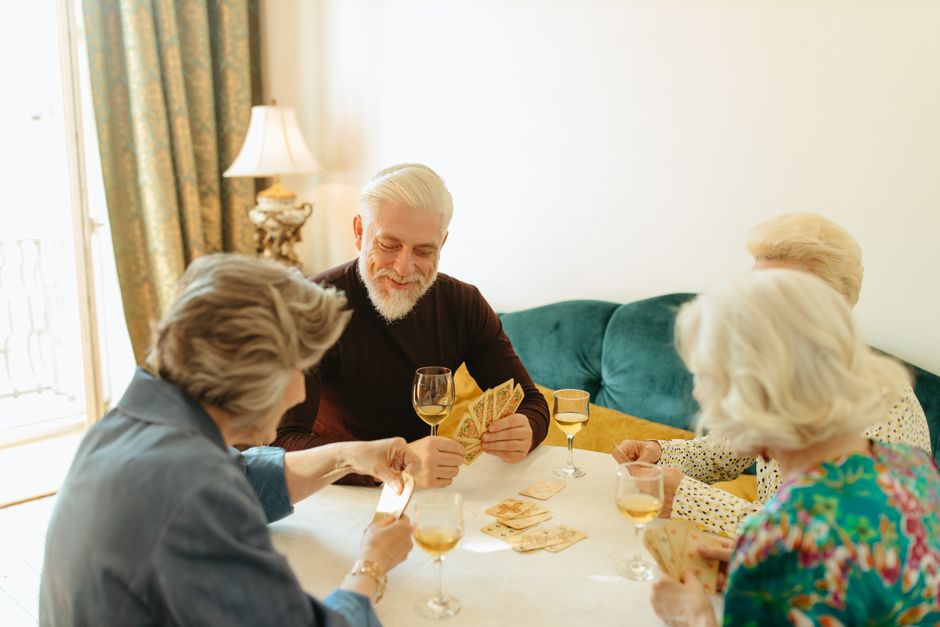
- Card games, puzzles, and other table activities
- Seasonal celebrations and shared meals
- Educational talks and current-events discussions
- Gardening, baking, or other practical projects
- Faith-based, cultural, or reminiscence activities
- Visits from family members or community guests
Activities are most useful when residents have choices. Someone who prefers quiet conversation may benefit more from a small discussion group than from a crowded event. Another resident may enjoy music, movement, or a hands-on project.
A strong activity program also allows residents to participate without pressure. Watching an activity, attending for a short time, or joining only occasionally can still provide social exposure.
Can assisted living help residents who are shy or withdrawn?
Yes. A structured environment can make socializing easier for people who are shy, grieving, anxious, or unaccustomed to group activities, but connection usually develops gradually.
Residents may need time to adjust after leaving a private home. Moving can involve grief, uncertainty, and concern about losing independence. Staff and family members can support the transition by encouraging manageable interactions rather than insisting on immediate involvement.
Helpful approaches include:
- Starting with one familiar activity
- Introducing a resident to one or two people with similar interests
- Choosing smaller gatherings before larger events
- Sitting with the resident during a meal or activity
- Allowing quiet participation without demanding conversation
- Recognizing progress, such as attending regularly
A resident who appears uninterested may actually be experiencing hearing difficulty, fatigue, depression, memory changes, or fear of embarrassment. Social withdrawal should be observed with care rather than treated as a personality flaw.
How do shared meals strengthen relationships?
Shared meals create a dependable time for conversation and recognition. Residents often learn one another’s routines, preferences, family histories, and sense of humor while eating together.
Meals can also provide structure for people who have been eating alone. A regular dining routine may encourage better appetite, more consistent daily activity, and casual social contact.
For some residents, the dining environment can be challenging. Noise, unfamiliar seating, difficulty hearing, or trouble using utensils may make participation uncomfortable. A quieter table, supportive seating arrangement, or assistance with practical needs can make shared meals more enjoyable.
Family meals can add another layer of connection. Relatives may learn more about a resident’s friendships and daily life when they share a meal or attend a community gathering.
What role does staff play in social connection?
Staff members help create the conditions for social connection, but their role is not to replace friendships or family relationships. They may notice common interests, encourage participation, include quieter residents, and help resolve misunderstandings.
Staff can also identify changes that affect social involvement. A resident who suddenly stops attending meals or activities may be dealing with pain, illness, medication effects, hearing loss, sadness, or a recent conflict.
Good social support respects personal choice. Residents should not be pressured to participate in every activity or maintain friendships they do not want. Privacy, rest, and time alone remain important parts of healthy living.
How can assisted living support relationships with family and friends?
Assisted living may make family relationships more focused because relatives are no longer responsible for managing every daily task during a visit. Instead, visits can center more on conversation, shared hobbies, celebrations, and emotional support.
Family members can help by:
- Visiting at times when the resident has the most energy
- Bringing familiar photos, music, or conversation topics
- Including the resident in family updates and decisions
- Asking about new friendships and activities
- Using phone or video calls when travel is difficult
- Joining seasonal events or shared meals when appropriate
In Avoca, seasonal conditions may occasionally make travel harder, particularly during periods of snow, ice, or cold temperatures. Regular calls and planned visits can help maintain connection when in-person contact is temporarily limited.
Friends, neighbors, former coworkers, and faith or community contacts may also remain important. A move into assisted living does not need to end relationships outside the residence.
What if a resident prefers to spend most of the time alone?
Some private time is normal and healthy. The concern is not solitude itself but a pattern of isolation that causes sadness, confusion, reduced appetite, loss of interest, or declining participation in daily life.
Family members and caregivers can look for changes such as:
- Avoiding meals or leaving the room less often
- Losing interest in long-enjoyed hobbies
- Appearing anxious in social settings
- Reporting that no one visits or talks with them
- Becoming unusually irritable or tearful
- Showing changes in sleep, appetite, or personal care
These signs may have medical, emotional, sensory, or environmental causes. Concerns should be shared with appropriate healthcare or care staff, especially when withdrawal is sudden or accompanied by confusion or a noticeable change in mood.
How can residents maintain independence while building connections?
Social connection and independence support each other. Residents are more likely to engage when they can make choices about how, when, and with whom they spend time.
Residents may choose to:
- Keep a personal schedule of favorite activities
- Invite another resident for coffee or conversation
- Continue hobbies in an adapted form
- Help welcome new residents
- Participate in planning activities
- Set boundaries around visits and quiet time
- Use mobility, hearing, or communication supports that make interaction easier
The goal is not to keep every resident constantly busy. The goal is to make meaningful connection available, accessible, and compatible with individual preferences.
What should families ask about social opportunities?
Families evaluating assisted living can ask practical questions about daily social life, including:
- Are activities offered every day or only occasionally?
- Are there options for small groups and quieter interests?
- How are new residents introduced to others?
- Can residents suggest or lead activities?
- Are transportation or outdoor opportunities available when conditions permit?
- How are residents supported if they have hearing, vision, memory, or mobility concerns?
- What happens if someone stops participating?
- Can family members join meals or events?
The answers can reveal whether social life is genuinely part of the daily environment or limited to occasional entertainment. A supportive setting should leave room for friendship, privacy, routine, and personal choice.
