
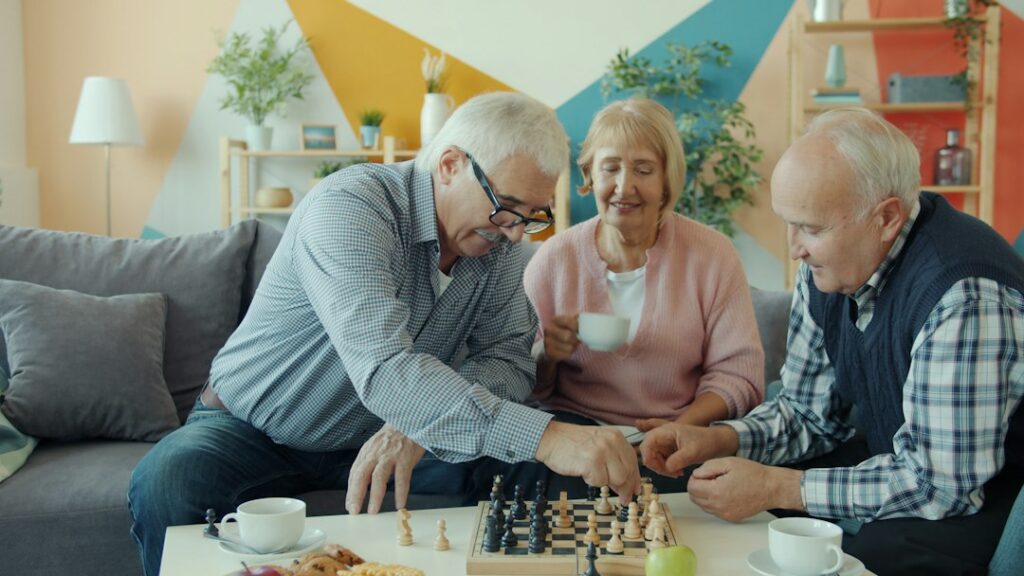
Assisted living activities should support more than entertainment. A well-rounded recreation program can help residents stay socially connected, physically active, mentally engaged, and involved in everyday choices. In Avoca, PA, seasonal weather, transportation needs, and varying mobility levels can all affect which activities are practical and enjoyable.
What types of activities are usually available?
Most assisted living communities offer a mixture of social, creative, physical, educational, spiritual, and recreational programs. The schedule may change based on resident interests, staffing, weather, and available space.
Common examples include:
- Group games such as bingo, cards, trivia, word games, and puzzles
- Arts and crafts, painting, seasonal decorations, and simple woodworking projects
- Music programs, sing-alongs, dancing, and instrument performances
- Exercise classes focused on stretching, balance, flexibility, or seated movement
- Book discussions, current-events conversations, and educational presentations
- Cooking demonstrations, baking groups, and shared meals with themed menus
- Gardening, indoor plant care, and seasonal decorating
- Movie afternoons and television programs chosen by residents
- Religious or spiritual gatherings for those who wish to participate
- Outdoor walks, patio visits, and supervised community outings
Activities are not limited to large group events. A resident may prefer reading quietly, folding laundry, listening to music, organizing photographs, or talking with another person over coffee. Individual recreation can be just as meaningful as a scheduled program.
How do activities benefit older adults?
Regular activities can help preserve routines, encourage movement, and reduce isolation. Social interaction is especially valuable for residents who have recently moved from a private home or who have experienced changes in health, transportation, or family availability.
Different activities may support different needs:
- Physical programs can help maintain strength, balance, flexibility, and confidence with movement.
- Cognitive activities can encourage memory, attention, problem-solving, and communication.
- Creative programs offer self-expression without requiring a particular level of artistic skill.
- Social gatherings can create opportunities to form friendships and become familiar with neighbors.
- Purposeful tasks may help residents feel useful, independent, and connected to daily life.
- Outdoor time can provide fresh air, natural light, and a change of surroundings when conditions are safe.
Participation does not need to be competitive or demanding. The most useful program is often one that residents can approach at their own pace.
Are activities appropriate for residents with memory loss or physical limitations?
Yes, but activities often need to be adapted. A person with memory loss may enjoy familiar songs, sorting objects by color, looking through family photographs, folding towels, or participating in a short conversation. Instructions should be simple, and the activity should not depend on remembering several steps.
For residents with limited mobility, recreation may include seated exercise, balloon volleyball, tabletop games, painting, music, or visits with other residents. Someone who uses a wheelchair or walker may still enjoy outdoor activities if pathways, seating, entrances, and rest areas are accessible.
A helpful activity is usually:
- Easy to understand
- Flexible if the resident loses interest
- Adjustable for vision, hearing, strength, or dexterity
- Focused on participation rather than performance
- Offered at an appropriate time of day
Residents and families can ask whether activities are adapted for hearing loss, low vision, arthritis, balance concerns, or cognitive changes. These details often make the difference between an activity being frustrating and genuinely enjoyable.
Do residents have a say in the activity schedule?
Residents should have meaningful opportunities to influence recreation. A schedule based only on staff preferences may not reflect the interests, cultural backgrounds, abilities, or past routines of the people living there.
Resident input may be collected through informal conversations, suggestion boxes, activity meetings, surveys, or resident councils. Useful questions include:
- Which activities are attended most often?
- Are programs offered at different times of day?
- Are quieter activities available for people who dislike crowds?
- Can residents suggest music, books, games, or discussion topics?
- Are residents invited to help lead or prepare activities?
- How are new interests identified after residents move in?

A strong program recognizes that older adults have different personalities and histories. Some may enjoy lively group events, while others prefer small gatherings or independent hobbies.
How does seasonal weather affect recreation in Avoca?
Seasonal conditions can influence outdoor activities and transportation. Cold temperatures, snow, ice, rain, and shorter winter daylight hours may make outdoor walks less practical. During those periods, indoor programs become particularly important, especially for residents who benefit from regular movement and social contact.
Indoor alternatives may include hallway walking, seated exercise, indoor gardening, music programs, craft tables, or small-group games. Safe outdoor access remains valuable during mild weather, but walkways should be checked for slippery surfaces, uneven pavement, and poor visibility.
Warmer months can bring opportunities for patio visits, container gardening, outdoor meals, nature observation, and short supervised walks. Shade, hydration, comfortable seating, and protection from excessive heat are necessary considerations.
What should families ask about recreation before a move?
Families should ask specific questions rather than relying on a general statement that activities are available. A posted calendar can provide useful information, but observing how residents participate may reveal more about the program.
Questions may include:
- How many activities are offered on a typical weekday and weekend?
- Are programs available in the morning, afternoon, and evening?
- What happens when weather prevents outdoor plans?
- Are activities designed for different ability levels?
- Can residents participate if they need help walking, hearing, or seeing?
- Are there quiet options for residents who do not enjoy groups?
- How are birthdays, cultural traditions, and personal interests recognized?
- Are family members ever invited to participate?
- Is transportation available for carefully planned outings?
- How does the community respond when a resident loses interest in former hobbies?
Families can also ask whether residents are encouraged to continue familiar routines. A former gardener may value access to plants. Someone who enjoyed cooking may prefer a food-related activity. A lifelong reader may appreciate a quiet reading group rather than a crowded event.
What if a resident refuses to participate?
Refusing an activity does not automatically mean a resident is withdrawn or unhappy. The activity may be scheduled at an inconvenient time, too noisy, too difficult, unfamiliar, or unrelated to the person’s interests. Some residents need time to observe before joining.
A more helpful approach is to offer choices without pressure. Short visits, one-to-one invitations, familiar music, or an activity connected to a former hobby may work better than urging someone to attend a large group.
Changes in participation should still be noticed. A sudden loss of interest, increased fatigue, pain, sadness, confusion, or difficulty hearing may affect a resident’s ability to join activities. These changes can be discussed with the appropriate care team because they may reflect a health, medication, sleep, or mood concern.
How can recreation remain meaningful?
Meaningful recreation is based on personal identity, not age-based assumptions. Residents should not be expected to enjoy the same games, music, crafts, or outings simply because they are in the same age group.
The most valuable programs often connect with a person’s previous roles and interests. A former teacher may enjoy leading a discussion. A mechanic may like simple repair projects. A parent or grandparent may appreciate intergenerational visits. Someone who spent years caring for a household may find purpose in organizing materials or helping prepare a shared event.
Activities work best when they provide choice, dignity, and a reason to participate. Recreation is not merely a way to fill empty hours; it is part of maintaining relationships, confidence, routine, and quality of life.
