
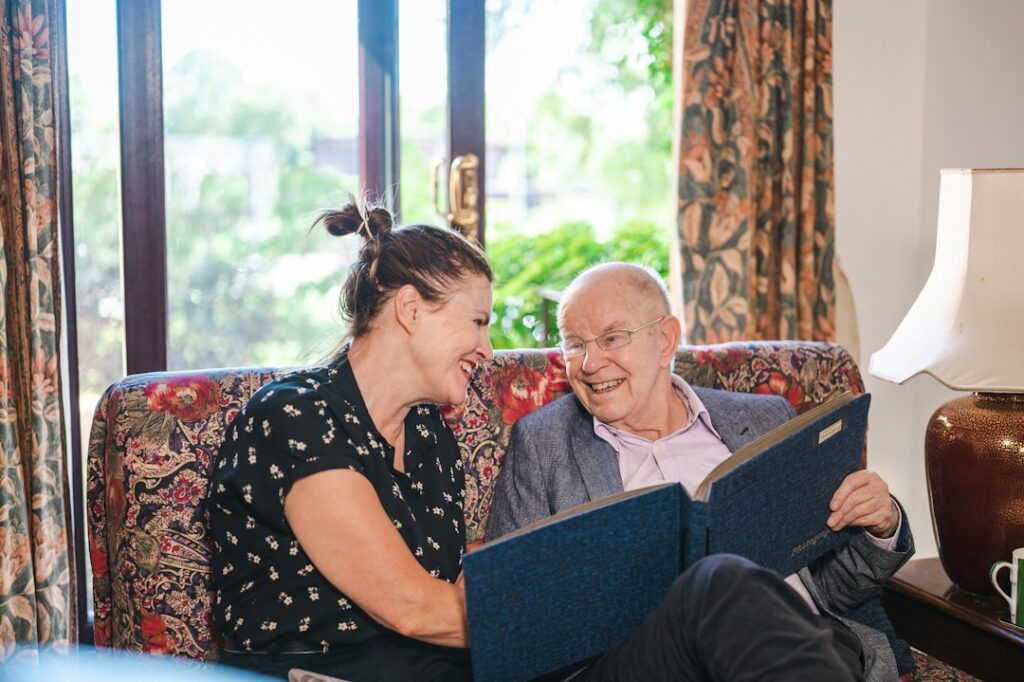
Assisted living is often described in simple terms, but the reality is more varied. Residents may receive help with daily routines, medication management, meals, transportation, safety, and personal care while continuing to make many of their own choices.
For households in Avoca, PA, understanding what assisted living does—and does not—provide can make conversations about future care more practical and less stressful.
Is assisted living the same as a nursing home?
No. Assisted living and nursing homes serve different levels of need.
Assisted living is generally designed for people who need help with everyday activities but do not require continuous skilled nursing care. Support may include bathing, dressing, walking, toileting, medication assistance, meals, housekeeping, and arranging transportation.
A nursing home provides a higher level of medical oversight and around-the-clock nursing services. Some residents move between care settings over time, but assisted living is not simply a less expensive version of a nursing home.
The right setting depends on a person’s health, mobility, cognitive condition, medication needs, and ability to respond safely during an emergency.
Does moving to assisted living mean losing independence?
No. Assisted living is intended to support independence, not automatically replace it.
Residents may often choose:
- What to wear
- When to attend activities
- Which meals to eat
- How to spend free time
- Whether to receive help with specific personal tasks
- How to arrange their living space, within residence rules
The purpose of assistance is usually to make daily life safer and more manageable. A person may still cook occasionally, keep personal belongings, maintain friendships, practice hobbies, and participate in household decisions.
Independence may look different after a move. For example, someone who can no longer safely manage stairs may still remain independent in choosing meals, visiting with family, or organizing a daily routine.
Is assisted living only for people who are seriously ill?
No. Many residents move before a major medical crisis occurs.
A person may consider assisted living after repeated falls, difficulty preparing meals, missed medications, unsafe driving, loneliness, or trouble managing household responsibilities. These concerns do not necessarily mean the person is seriously ill. They may indicate that maintaining a private home has become too demanding or risky.
Waiting until a hospitalization or emergency can limit choices and make the transition more difficult. Planning earlier may allow a person to compare care settings while still participating fully in the decision.
Are all assisted living residences alike?
No. Services, staffing patterns, apartment layouts, activity programs, pricing structures, and admission policies can differ considerably.
In Pennsylvania, assisted living residences and personal care homes are distinct licensed categories, although families may hear the terms used casually or see related phrases in advertisements. The level of care available, the types of residents served, and the rules for handling changing needs should be confirmed directly through written materials and a personal visit.
Questions worth asking include:
- What assistance is included in the monthly fee?
- Which services cost extra?
- How are care needs assessed?
- What happens if mobility or memory needs increase?
- Is overnight staff available?
- How are emergencies handled?
- Are outside physicians, therapists, or home health services permitted?
- What circumstances could require a move to another setting?
A residence that is appropriate for one person may not be appropriate for another.
Does assisted living provide constant medical care?
Usually, no. Assisted living may provide personal care, medication support, wellness monitoring, and help coordinating medical services, but it is not generally a hospital or a skilled nursing unit.
Some residents receive additional services from visiting nurses, therapists, hospice staff, or other licensed professionals. Those arrangements depend on the resident’s needs, the residence’s policies, and the outside provider’s availability.
A person who needs complex treatments, frequent clinical monitoring, ventilator support, or continuous skilled nursing may require a different level of care. A health assessment can help clarify whether assisted living is suitable.
Can people with dementia live in assisted living?
Sometimes. Assisted living may be appropriate for a person with early or moderate memory loss, but the answer depends on safety, behavior, mobility, and the residence’s ability to provide dementia-related support.

Memory loss alone does not automatically require a nursing home. However, wandering, aggression, severe communication problems, repeated unsafe actions, or extensive help with every aspect of daily life may require a specialized setting.
Families should ask how the residence handles:
- Exit-seeking or wandering
- Changes in behavior
- Nighttime confusion
- Medication refusal
- Personal care resistance
- Incontinence
- Dementia-related changes over time
Policies can vary, so a general statement that a residence “accepts dementia” may not explain the actual level of support available.
Is assisted living unaffordable for everyone?
Costs vary, and the total expense is not always represented by a single monthly number.
Charges may depend on room type, care level, medication management, transportation, incontinence support, special diets, laundry, or other services. A written fee schedule and resident agreement can help clarify the expected cost.
Medicare generally does not pay for long-term custodial assisted living expenses. Some people use personal savings, pensions, long-term care insurance, veterans’ benefits, family contributions, or other resources. Eligibility-based public programs may apply in certain circumstances, but coverage rules are specific and should not be assumed.
Households should also compare assisted living costs with current expenses such as mortgage or rent, utilities, food, transportation, home maintenance, paid caregiving, and emergency repairs.
Does moving mean a resident can never return home?
No. A move is not always permanent, although returning home may become harder if health or mobility changes.
Some people enter assisted living after surgery, a fall, or a period of caregiver strain and later return home. Others decide that the structure and support of a residence better fit their long-term needs.
Before treating a move as temporary or permanent, families should ask about discharge policies, temporary stays, rehabilitation needs, and what level of care is required for a safe return home.
Does assisted living eliminate family involvement?
No. Families often remain closely involved.
Relatives may help with appointments, personal belongings, finances, transportation, celebrations, care planning, and emotional support. Staff members provide designated services, but family relationships continue to matter.
Seasonal conditions can also affect planning in the local community. Snow, ice, power interruptions, and difficult driving conditions may make transportation and emergency communication especially important during winter. Families should understand how the residence handles severe weather, visitor access, backup power, and urgent notifications.
What should residents verify before making a decision?
A tour is useful, but a single visit does not answer every question. Visiting at different times of day can provide a better sense of staffing, noise, meals, activities, and resident interaction.
Review the contract carefully and ask for explanations of unfamiliar terms. Observe whether staff speak respectfully with residents, whether hallways and bathrooms appear accessible, and whether residents seem engaged or isolated.
The most reliable decision is based on the person’s actual care needs, future possibilities, finances, preferences, and safety—not on assumptions about what assisted living is supposed to be.
